

- Back
- / Articles
- / 6 April 2026
The Real Challenges Behind Fruit Ingredient Development
From the outside, developing fruit-based ingredients may appear straightforward: define a product, produce it and deliver it. In reality, fruit ingredient development is a complex process shaped by technical constraints, natural variability and evolving customer expectations. Behind every stable and consistent fruit preparation lies a series of decisions, adjustments and compromises that are rarely visible in the final product.
At Solufruit, we work closely with industrial partners across beverages, dairy, bakery and plant-based applications. Each project requires balancing customization with operational feasibility. Companies looking for tailored fruit solutions can explore our expertise directly on Solufruit’s website to understand how technical development aligns with industrial production.
When Customization Goes Beyond Standard Products
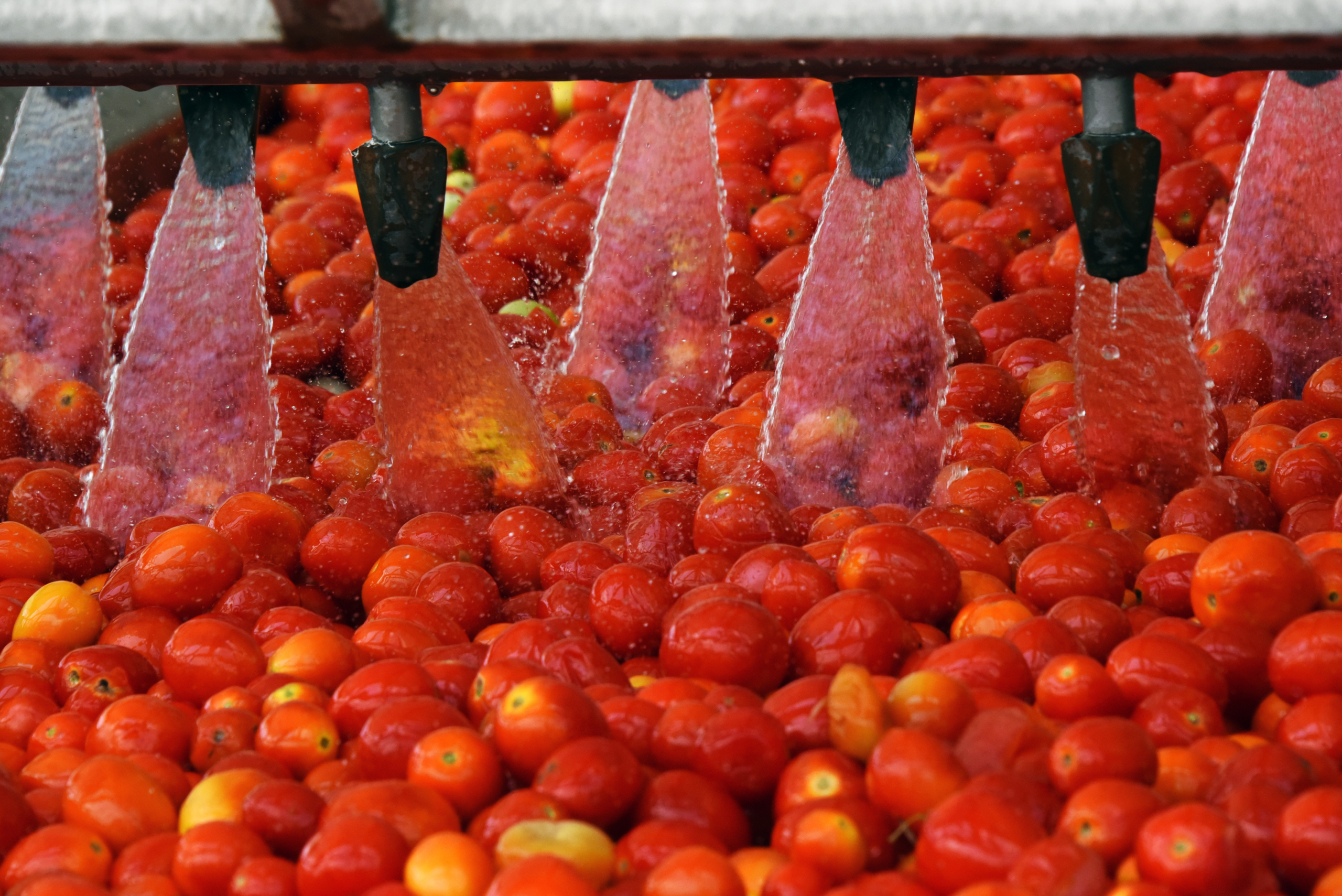
Many fruit ingredient projects begin with a clear request but quickly evolve into highly specific requirements. Customers may seek a precise Brix level, a narrow colour range, a defined flavour intensity, a particular texture or unique processing constraints. Customization is an essential part of ingredient development, yet moving too far from standardized solutions can introduce significant challenges.
Highly specific formulations may become more difficult to reproduce consistently. They can be more sensitive to seasonal variations in raw materials and potentially less stable over time. In addition, logistics and production planning become more complex when a product deviates strongly from standard processes. One of the key roles of an experienced fruit ingredient supplier is identifying where customization truly adds value and where it may create unnecessary operational risk. Our approach to tailored development is detailed in our section dedicated to fruit preparations.
The Difficulty of Defining Technical Limits
During development, project parameters often shift. Sweetness may need adjustment, acidity refined, colour modified or texture optimized. Each individual change may appear minor, yet collectively they can significantly affect stability, viscosity or shelf life. Without clearly defined technical boundaries, development cycles risk extending indefinitely.
Knowing when a product is technically sound and ready for production is a critical milestone. This requires structured validation, pilot testing and a clear understanding of industrial constraints. International food quality frameworks, such as those promoted by the Food and Agriculture Organization (FAO), emphasize the importance of defined specifications and controlled processes in food development.
Natural Raw Materials Do Not Behave Like Fixed Specifications
Unlike synthetic ingredients, fruit is a natural raw material subject to seasonal and agricultural variability. Even under controlled sourcing conditions, fruit may vary in sugar content, acidity, colour and flavour intensity from one harvest to another. Specifications define acceptable ranges, but nature does not always align perfectly with fixed numerical targets.
Managing this variability while ensuring consistent industrial performance is one of the central challenges of fruit ingredient development. Careful raw material selection, analytical controls and adaptive processing techniques are essential to maintain product consistency. For beverage manufacturers seeking stable fruit bases despite seasonal variation, our dedicated page on beverage applications explains how we address these challenges.
Balancing Customer Expectations and Industrial Reality
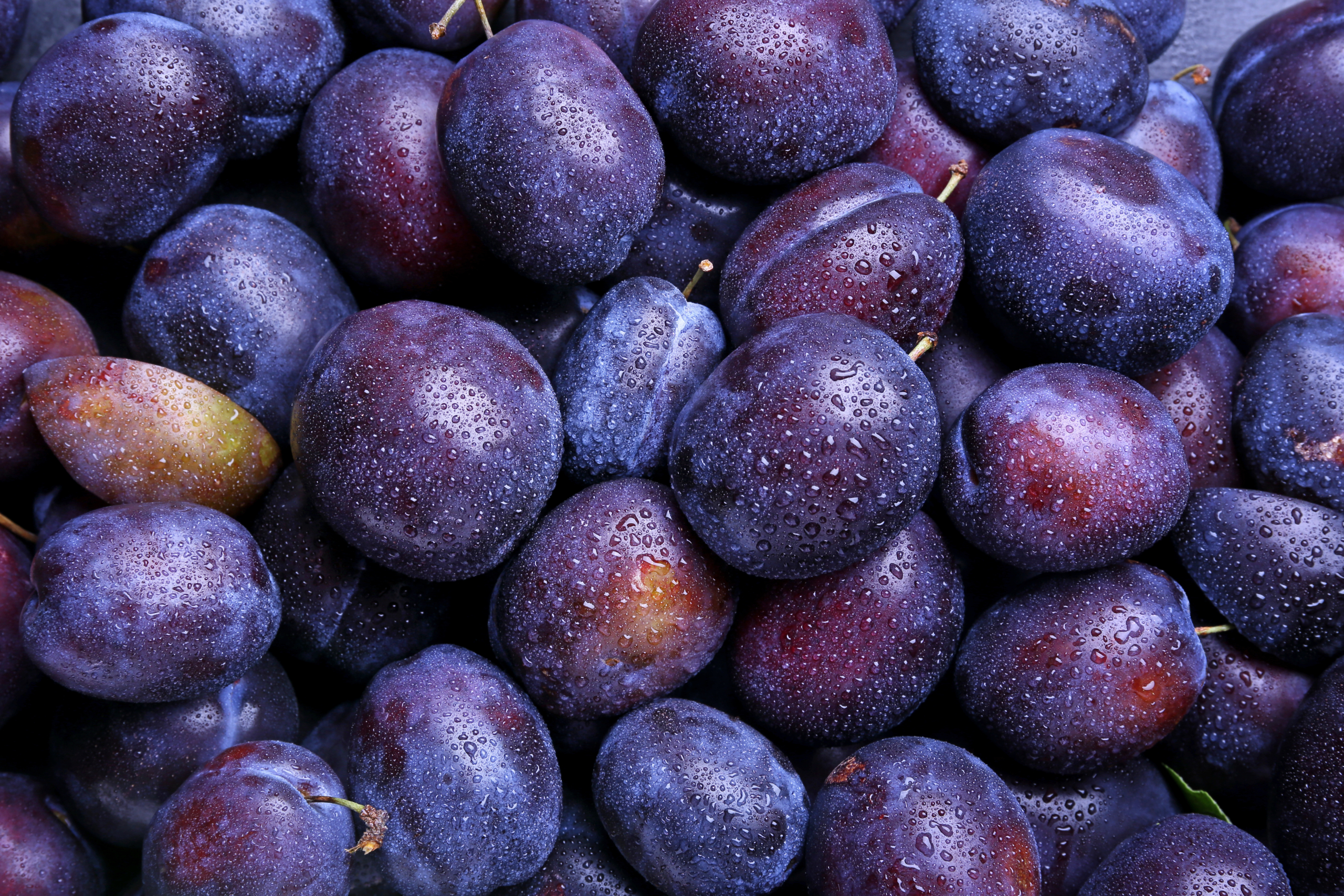
Industrial customers expect reliable, reproducible ingredients that integrate smoothly into automated production lines. At the same time, fruit ingredients are inherently variable. Bridging this gap requires realistic specifications, transparent communication and strong technical collaboration between supplier and manufacturer.
The objective is not to eliminate natural variability, which is impossible, but to manage it within controlled and predictable limits. This balancing act often remains invisible to end consumers, yet it is fundamental to ensuring product performance across large production volumes.
Internal Constraints Also Shape Development
Customer expectations are only one part of the equation. Internal production capacities, equipment limitations, planning constraints and quality standards must also be considered. A formulation that works perfectly at laboratory scale may present challenges when integrated into regular industrial production.
Ensuring that a fruit preparation is not only technically feasible but also operationally viable requires close coordination between R&D, production and quality teams. For manufacturers seeking technical dialogue and long-term partnership, our team is available through the Solufruit contact page to discuss specific project requirements.
Small Adjustments, Significant Consequences
In fruit ingredient development, small details can have major impacts. A slight pH adjustment may influence microbiological stability. A minor Brix modification can alter viscosity and processing behaviour. Packaging conditions may affect shelf life, while handling practices influence overall product quality. These factors are not always visible at the beginning of a project but can become decisive over time.
Food safety authorities such as the World Health Organization (WHO) regularly highlight the importance of controlling critical parameters throughout food production. In fruit ingredient development, precision and discipline are essential to prevent small variations from escalating into larger quality issues.
A Continuous Balancing Act
Developing reliable fruit ingredients is a constant balancing exercise between technical feasibility, product performance, operational constraints and customer expectations. Every project involves adjustments and trade-offs. The goal is to deliver a product that meets functional requirements while remaining stable, reproducible and industrially manageable.
Understanding these challenges helps explain why fruit ingredient development is rarely as simple as it appears. Behind each fruit preparation lies careful raw material management, controlled processing and realistic specification setting. With the right expertise and structured approach, this complexity becomes a strength rather than a limitation, enabling the creation of consistent and high-performing fruit solutions.